Understanding xG: A Simple Guide for Southeast Asian Football
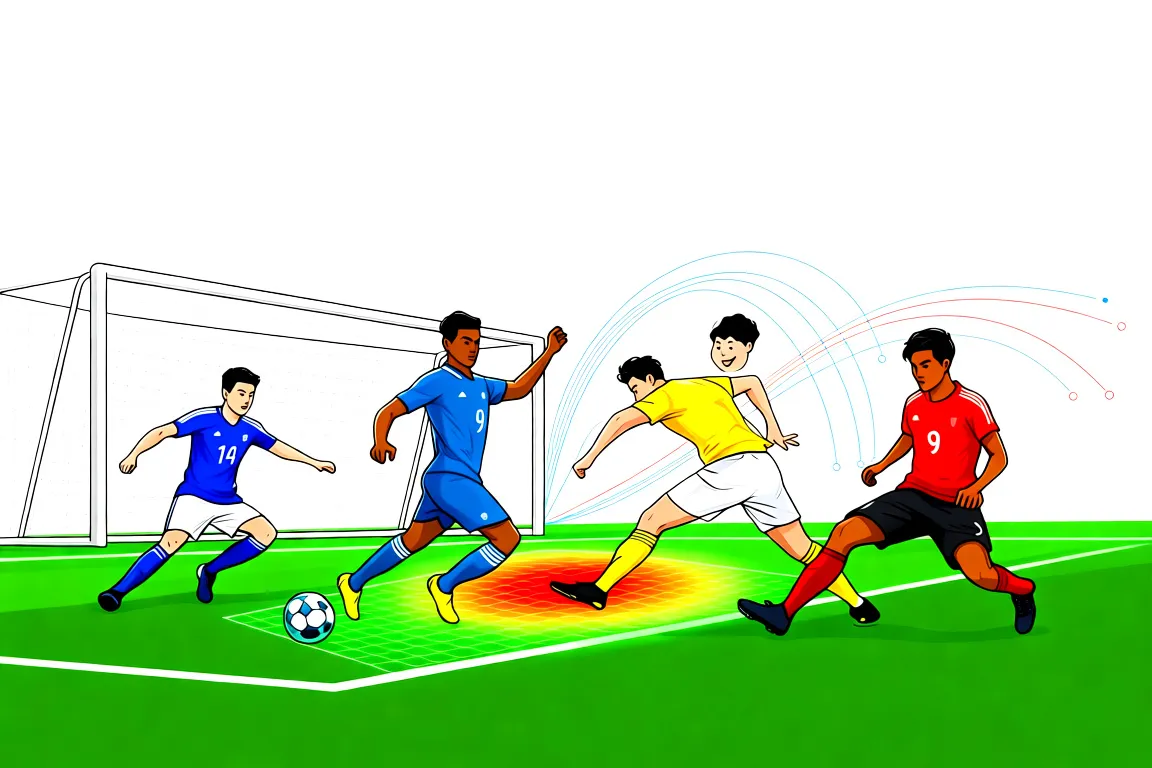
Understanding xG: A Simple Guide for Southeast Asian Football
xG measures the chance a shot turns into a goal. You can use it to judge whether a team created real threats or just got lucky with the final score.
What the number actually means
A striker takes a shot from the edge of the box after a quick one-two. That chance might show an xG of 0.12. Over a full match the team total might reach 1.8. That tells you they created enough chances for nearly two goals even if only one went in.
- 0.05 to 0.15: long-range or tight-angle efforts
- 0.25 to 0.45: good cut-backs or headers inside the six-yard box
- Above 0.60: one-on-one situations or open tap-ins
Reading a Thai League or Liga 1 match
Take a recent Buriram United game against a mid-table side. Buriram posted 2.4 xG while the opponent sat at 0.7. The final score was 1-1. The numbers show Buriram should have won, yet the single goal they scored came from a set-piece scramble rather than open play.
Check the shot map after the game. Most of their high-value chances came from the central area between the penalty spot and the six-yard line. That pattern repeats when stronger sides dominate possession in the region.
Spotting the usual mistakes
- Treating every shot the same. A 30-yard blooter rarely equals a close-range header.
- Ignoring goalkeeper positioning. Some leagues track it, others do not. Adjust your view when the keeper is far off his line.
- Looking only at the final xG total. Split it between open play and set pieces to see where the team actually creates danger.
Track your own side in four steps
| Step | What to do | Example |
|---|---|---|
| 1 | Note total xG for and against after each match | Johor 2.1 created, 0.6 conceded |
| 2 | Compare across three matches | Average xG difference of +1.4 |
| 3 | Check where chances come from | 60 percent from open play |
| 4 | Flag the next opponent trend | Weak against crosses, low xG allowed on set pieces |